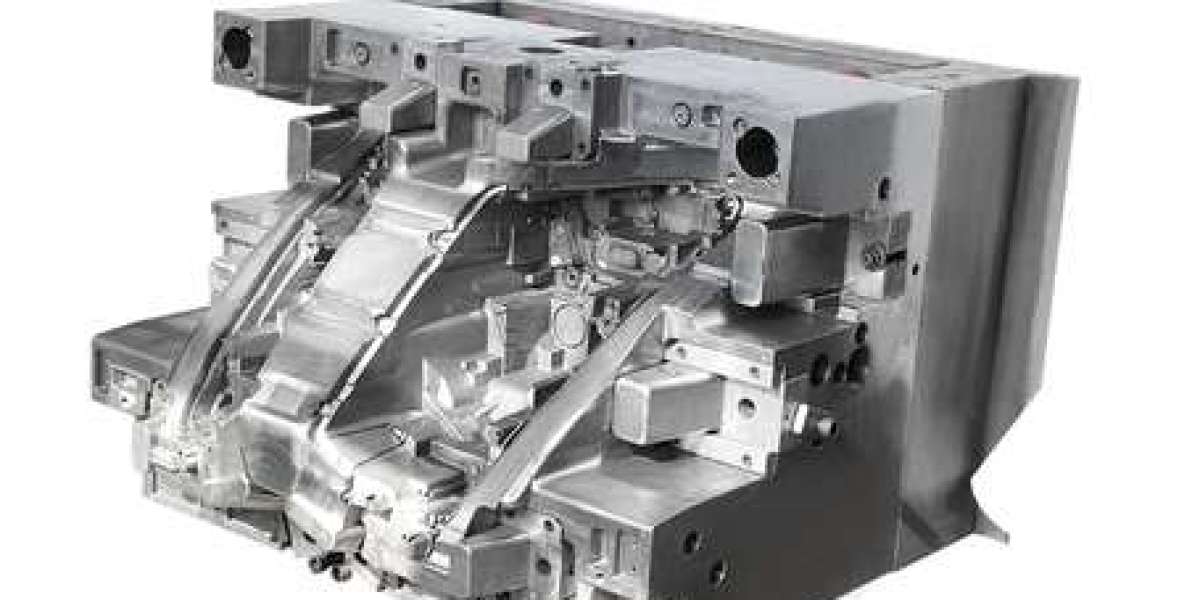

BMC Mold plays a steady role in the production of composite materials used across various industries. Known for its ability to shape bulk molding compounds into consistent forms, BMC Mold offers manufacturers a reliable method for producing parts with uniform quality. Its application ranges from automotive components to electrical housings, where precision and repeatable results are essential.
One of the main benefits of a BMC Mold lies in its capacity to handle high-volume production. Bulk molding compounds, often a mix of resin, filler, and other additives, can be shaped quickly using a properly designed mold. The process allows multiple units to be formed efficiently, supporting steady output while reducing manual labor. This combination of speed and consistency helps manufacturers plan production schedules more reliably.
BMC Mold design affects both the quality and efficiency of the final parts. Factors like cavity shape, venting, and material flow channels determine how well the compound fills the mold and cures. Proper design reduces defects such as voids, uneven surfaces, or incomplete shapes. Engineers often consider these elements carefully, especially when producing components that must meet strict tolerances or performance requirements.
Durability of the mold itself is another important factor. A well-maintained BMC Mold can last for numerous production cycles, ensuring consistent results over time. Routine cleaning and inspection prevent buildup or wear that might affect part quality. This maintenance routine also allows for minor adjustments, such as polishing surfaces or modifying edges, keeping the mold functional for years.
BMC Mold also supports innovation in material use. New composite formulations, variations in filler types, or additives can be tested with existing molds, allowing engineers to explore performance characteristics without redesigning the entire system. This flexibility encourages experimentation while keeping production predictable and repeatable.
BMC Mold contributes to safer and more sustainable manufacturing practices. By controlling the flow of material and reducing waste, it helps manufacturers minimize scrap. Accurate molding also lowers the need for secondary finishing or corrections, saving energy and time.
Overall, the role of a BMC Mold in modern production is clear. It allows precise shaping of bulk molding compounds, supports consistent quality, and reduces manual intervention.