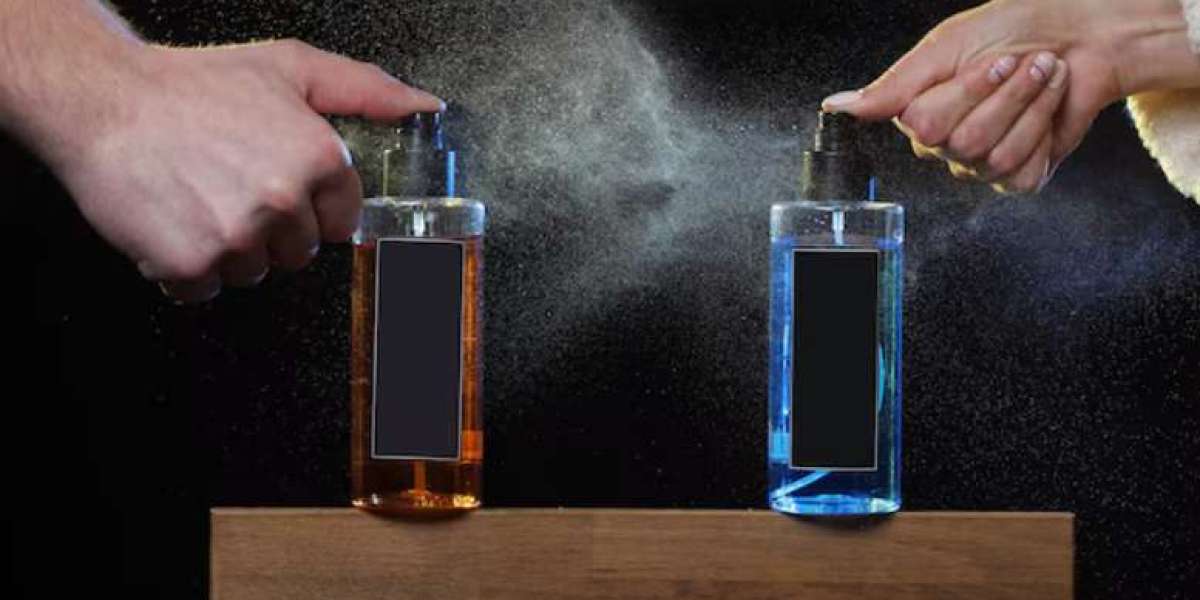

Fragrance plays a powerful role in personal identity, confidence, and first impressions. In Britain, men’s fragrance preferences are shaped by climate, lifestyle, workplace culture, and evolving grooming habits.
From fresh daytime scents to deep evening compositions, understanding how perfumes work and how to choose them wisely helps men make informed, long-lasting decisions.
This guide explores scent families, performance factors, seasonal usage, skin chemistry, and market trends, with a specific focus on Perfumes For Men in UK as a consumer category.
Fragrance Families Explained (With Real-Life Use Cases)
Different fragrance families appeal to different moods, personalities, and occasions. Knowing these families helps narrow down choices quickly.
| Fragrance Family | Key Notes | Best For |
|---|---|---|
| Fresh / Citrus | Lemon, bergamot, grapefruit | Office, daytime, summer |
| Woody | Sandalwood, cedarwood, vetiver | Everyday wear, mature profiles |
| Spicy | Pepper, cardamom, cinnamon | Evenings, social settings |
| Aromatic | Lavender, herbs, green notes | Professional and casual balance |
| Oriental | Amber, vanilla, resins | Nightwear, colder months |
Expert insight: British consumers often prefer balanced profiles—fresh openings with woody or spicy dry-downs—due to variable weather and professional environments.
Understanding Concentration Levels (Why Longevity Varies)
Fragrance strength isn’t about quality; it’s about oil concentration. This directly affects projection and wear time.
Eau de Cologne (EDC): 2–4% oils, lasts 2–3 hours
Eau de Toilette (EDT): 5–10% oils, lasts 4–6 hours
Eau de Parfum (EDP): 15–20% oils, lasts 6–10 hours
Parfum: 20–30% oils, lasts 10–14 hours
Data-backed tip: In cooler UK climates, higher concentrations often perform better due to slower evaporation.
How Skin Chemistry Impacts Scent Performance
Two people can wear the same fragrance and experience completely different results. This is due to:
Skin type: Oily skin holds scent longer than dry skin
pH level: Alters how notes develop over time
Body temperature: Affects projection and intensity
Practical advice: Moisturised skin improves longevity. Unscented moisturiser before application can extend wear by up to 30%.
Seasonal Fragrance Selection in the UK Climate
The UK’s mild but unpredictable weather makes seasonal fragrance planning important.
Spring
Green, aromatic, light woody notes
Feels clean and uplifting
Summer
Citrus, aquatic, fresh accords
Prevents scent from becoming overpowering
Autumn
Spicy, woody, amber blends
Adds warmth and depth
Winter
Oriental, resinous, gourmand tones
Performs better in cold air
Trend insight: Seasonal rotation is increasingly popular among UK men aged 25–45.
Day vs Night: Choosing the Right Profile
Daytime fragrances
Lighter projection
Clean, fresh, aromatic
Workplace-appropriate
Evening fragrances
Deeper base notes
Stronger sillage
Designed for social or formal settings
Behavioural data: Surveys show most men prefer subtle daytime scents to avoid overpowering shared spaces.
How to Apply Fragrance Correctly (Less Is More)
Over-application is one of the most common mistakes.
Recommended pulse points:
Neck (sides, not front)
Behind ears
Inner elbows
Chest (light application)
Best practice:
2–4 sprays are sufficient for most concentrations.
Common Fragrance Mistakes Men Make
Rubbing wrists together (breaks scent molecules)
Spraying on clothes instead of skin
Using one fragrance year-round
Ignoring concentration levels
Applying too close to the nose
Avoiding these improves both performance and perception.
Current Men’s Fragrance Trends in Britain
The UK fragrance market shows clear shifts driven by consumer awareness and lifestyle changes.
Minimalist compositions with fewer synthetic notes
Long-lasting formulations preferred over loud projection
Gender-neutral profiles gaining acceptance
Natural-inspired accords like woods and herbs
Market insight: Consumers increasingly value versatility—scents that transition from office to evening.
Storage and Shelf Life: Keeping Fragrance Fresh
Proper storage protects scent integrity.
Store away from direct sunlight
Avoid humid environments (bathrooms)
Keep bottles tightly closed
Shelf life average:
3–5 years if stored correctly, though some compositions last longer.
FAQs: Men’s Fragrance Buying & Usage
How long should a good men’s fragrance last?
Typically 6–8 hours for quality formulations, depending on concentration and skin type.
Is stronger always better?
No. Balance and suitability matter more than intensity.
Can one fragrance suit all occasions?
Some versatile profiles can, but most men benefit from at least two options.
Why does a scent fade quickly on me?
Dry skin, low concentration, or incorrect application are common causes.
Is fragrance part of personal grooming?
Yes. It complements hygiene, style, and overall presentation.
Data-Driven Buying Checklist
Before choosing a fragrance, consider:
Occasion and environment
Season and climate
Concentration level
Personal skin chemistry
Longevity vs projection needs
This structured approach reduces trial-and-error and improves satisfaction.
Role of Fragrance in Personal Branding
Modern grooming goes beyond appearance. Fragrance contributes to how others remember you—often subconsciously. In professional and social contexts alike, a well-chosen scent enhances confidence and reinforces identity without saying a word.