
The Importance of Preventing Drain Clogs
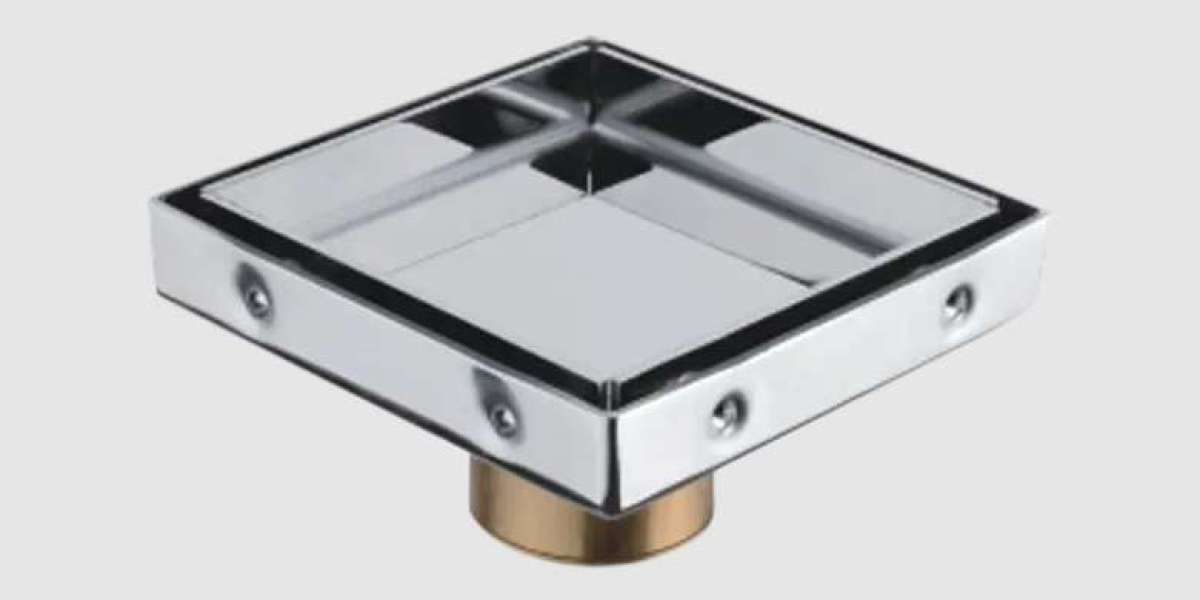
Clogging is one of the most common problems with floor drainage systems, affecting both residential and commercial properties. Water stagnation, slow drainage, and unpleasant odors often result from debris accumulation. A high-quality Stainless Steel Tile Drain addresses these issues with design features that minimize blockages. Understanding how these drains prevent clogs helps homeowners, facility managers, and installers ensure long-lasting, efficient drainage.
Drain Grate Design for Debris Control
The first line of defense against clogging is the drain grate. Stainless steel drains often feature carefully spaced slots or perforations that allow water to pass freely while catching larger debris such as hair, dirt, or small particles. Some models include removable grate covers that make cleaning quick and easy. By preventing foreign objects from entering the main drainage channel, these grates significantly reduce the risk of clogs forming downstream.
Channel Shape and Water Flow Optimization
The internal shape of the drain channel also influences clog prevention. Modern stainless steel tile drains are engineered with smooth, sloped channels that encourage water to flow continuously toward the exit pipe. Rounded corners and streamlined pathways reduce areas where debris can accumulate. This design ensures that small particles are naturally carried away by water flow, maintaining consistent drainage performance over time.
Integrated Strainers and Filters
Some advanced drains incorporate additional strainers or filters beneath the main grate. These elements trap finer debris that might otherwise enter the pipe system. They are typically easy to remove for cleaning, allowing users to maintain a clear drainage path without professional help. By combining grate spacing with internal strainers, stainless steel drains create a multi-layered defense against blockages.
Routine Cleaning and Maintenance
Even with excellent design, regular maintenance is essential to prevent clogs. Periodic inspection of the grate and internal components ensures that any accumulated debris is removed before it obstructs flow. Mild cleaning solutions and soft brushes can keep stainless steel surfaces free of buildup while preserving corrosion resistance. Scheduled maintenance is a simple way to extend the life and efficiency of the drainage system.
Corrosion Resistance and Longevity
One advantage of stainless steel is its natural corrosion resistance. Unlike plastic or lower-grade metal drains, stainless steel remains smooth and structurally intact over time. This resistance prevents rough or pitted surfaces where debris could easily lodge. A durable surface contributes to consistent water flow and reduces the likelihood of persistent blockages.
Proper Installation Techniques
Correct installation is critical to clog prevention. The drain should be aligned with the slope of the floor to promote optimal water flow. Any gaps or misalignment can create pockets where debris accumulates. Professional installation ensures that the drain functions as designed, maintaining both aesthetic alignment with floor tiles and maximum drainage efficiency.
Benefits for Residential and Commercial Use
Effective clog prevention not only improves drainage but also enhances hygiene and comfort. Homes, bathrooms, kitchens, and commercial spaces benefit from reliable water removal, reducing the risk of slips and standing water. A well-designed Stainless Steel Tile Drain minimizes maintenance effort while providing long-term reliability and peace of mind.
Maintaining a Block-Free Drain System
Preventing clogs in stainless steel tile drains is a combination of intelligent design, proper installation, and routine maintenance. Great structure, channel shape, internal strainers, and corrosion-resistant materials all work together to ensure debris is kept out of the drainage system. By understanding these features and applying proper care, users can enjoy efficient, reliable drainage with minimal risk of blockage.