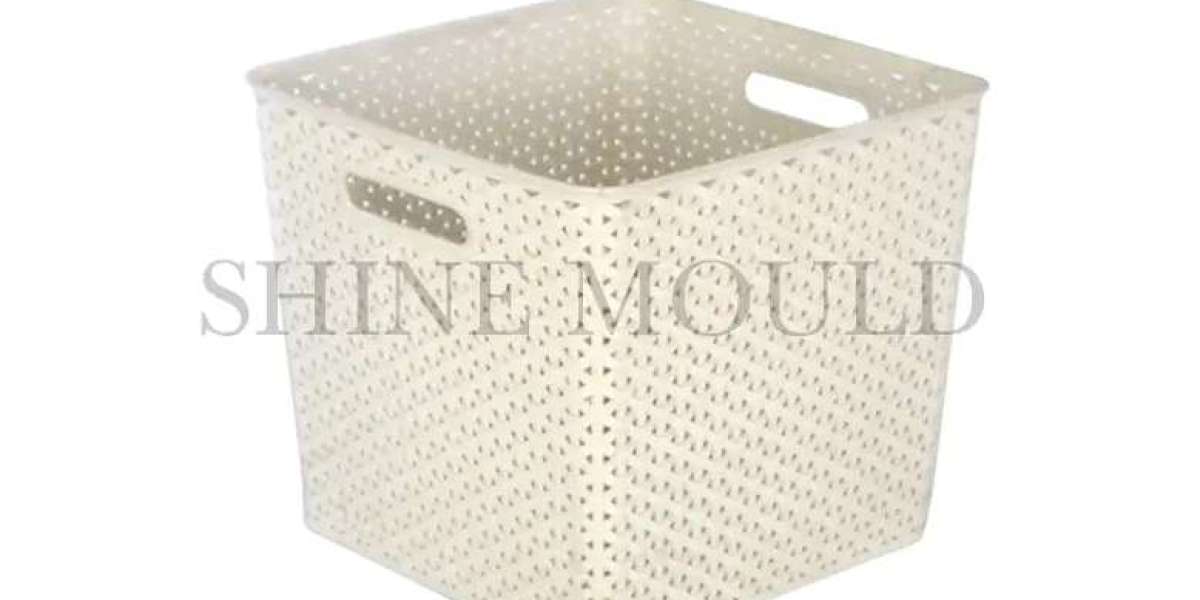

Importance of Stable Basket Moulds
Basket moulds are widely used in manufacturing to produce plastic, resin, or metal baskets with a consistent shape and durability. One of the most important aspects of mould design is ensuring forming stability. Poorly designed moulds can lead to warping, uneven walls, or incomplete filling, which compromises product quality and increases production costs. By carefully considering material selection, geometry, reinforcement, and processing methods, manufacturers can achieve stable and high-quality basket production.
Material Selection and Compatibility
The choice of material for the basket mould significantly impacts stability during production. Metal moulds, such as aluminum or steel, offer high strength, thermal conductivity, and resistance to deformation under pressure. Plastic moulds, while lighter and easier to manufacture, may require additional support to maintain shape during forming. Selecting the appropriate material ensures that the mould can withstand processing pressures and thermal changes without distortion, leading to consistent basket quality.
Geometrical Design and Wall Thickness
The geometry of the basket mould plays a critical role in achieving stability. Uniform wall thickness throughout the mould prevents uneven cooling or shrinkage, which can cause warping or cracking in the final product. Incorporating rounded corners and avoiding sharp transitions reduces stress concentrations and improves the flow of material during forming. Thoughtful design of handles, rims, and base structures also ensures that the basket maintains its shape under load and during demoulding.
Reinforcement and Support Structures
Reinforcement features, such as ribs, gussets, or supporting frames, enhance the structural integrity of the mould and the final basket. These elements distribute stress more evenly and prevent bending or flexing during material injection or compression. Reinforced moulds also improve resistance to wear and extend the lifespan of the equipment. Properly positioned reinforcement ensures that even large or complex basket shapes can be produced without compromising stability.
Temperature and Pressure Management
Processing conditions, including temperature and pressure, have a direct effect on mould performance. Excessive heat can cause material expansion or thermal distortion, while uneven cooling may result in warping. Likewise, high injection or compression pressure can deform poorly supported areas. Designing the mould with appropriate cooling channels, vents, and pressure distribution systems ensures uniform curing or solidification. This careful control of temperature and pressure is essential for achieving stable and repeatable basket forms.
Maintenance and Quality Control
Regular maintenance and inspection of the basket mould are critical to sustaining stability over time. Wear, corrosion, or residue buildup can alter the mould’s dimensions and affect forming quality. Implementing a routine cleaning, lubrication, and inspection schedule helps maintain precise tolerances and ensures consistent basket production. Additionally, conducting trial runs and monitoring dimensional accuracy allows manufacturers to identify and correct any instability issues early.
Achieving Reliable Basket Production
Designing a basket mould for stable forming requires a combination of material selection, geometrical optimization, reinforcement, temperature and pressure management, and diligent maintenance. Attention to these factors ensures that the final baskets are consistent, durable, and high-quality. By investing in well-designed and properly maintained moulds, manufacturers can minimize defects, improve efficiency, and meet the rigorous demands of industrial and consumer applications.