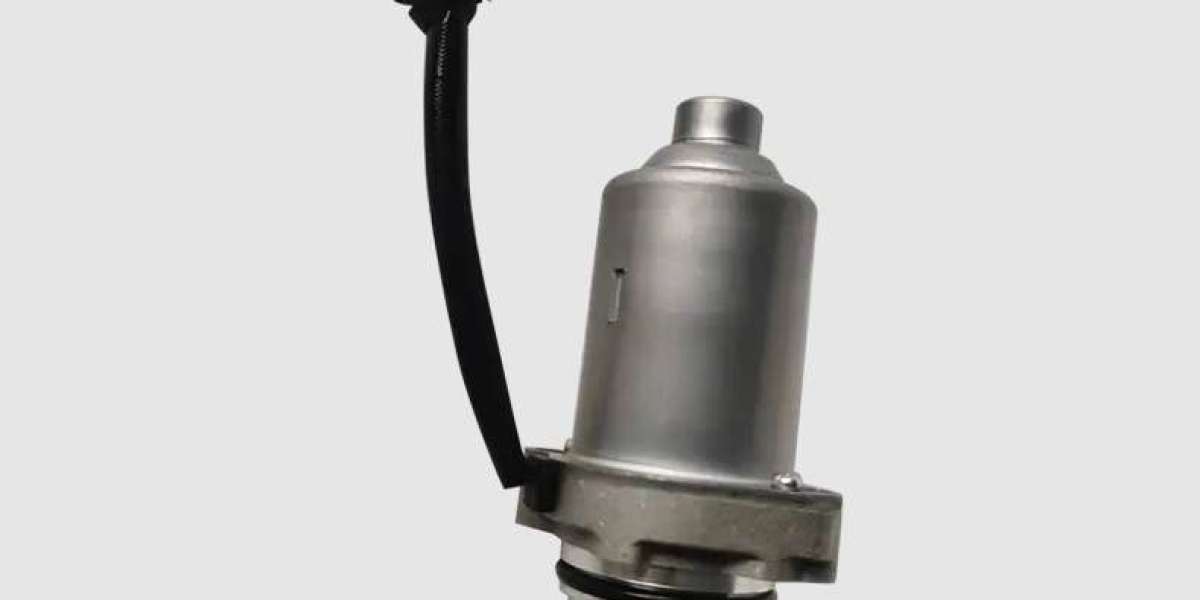

Introduction to Thermal Performance
In industrial applications, continuous operation of a Steam Pump Motor is common, and its ability to withstand high temperatures is critical for reliable performance. Thermal endurance affects efficiency, operational lifespan, and safety. When a motor operates for extended periods, heat generation from electrical losses and mechanical friction can increase significantly. If the motor cannot dissipate this heat effectively, it risks overheating, reduced performance, or even permanent damage. Understanding thermal performance is essential for industries that rely on steam pumps for prolonged operations.
Factors Affecting Heat Resistance
The heat resistance of a steam pump motor depends on several key factors, including the quality of materials, winding insulation, cooling design, and load conditions. Motors constructed with high-grade copper windings and durable insulation can tolerate higher temperatures without degradation. Cooling mechanisms, such as built-in fans, liquid cooling systems, or heat sinks, help dissipate excess heat during continuous operation. Additionally, the operating load and duty cycle significantly influence thermal stress. A motor running near its maximum capacity for long periods will generate more heat compared to one operating below its rated load.
Material and Design Considerations
Material selection and engineering design play a pivotal role in thermal management. High-quality Steam Pump Motor models use thermally resistant bearings, epoxy-coated windings, and heat-tolerant housings to ensure reliable operation. Proper ventilation and heat dissipation pathways prevent hot spots from forming within the motor. In some industrial designs, motors are equipped with temperature sensors that monitor internal heat levels and trigger alarms or shutdowns if thresholds are exceeded. These design considerations collectively enhance heat resistance and ensure the motor remains functional under continuous usage.
Real-World Continuous Operation
In practical applications, steam pump motors often run continuously for hours or even days. Industrial plants, boiler systems, and large-scale heating setups require motors that maintain stable performance under thermal stress. A motor with poor heat resistance may experience efficiency drops, increased vibration, or insulation failure. High-quality motors maintain their output and reliability even under sustained operation, minimizing downtime and ensuring consistent pumping performance. Testing under simulated high-temperature conditions is often used to verify a motor’s ability to handle extended operation.
Maintenance and Longevity
Regular maintenance is essential to preserve the heat resistance of steam pump motors. Cleaning cooling vents, checking lubrication of bearings, inspecting insulation integrity, and monitoring motor temperature are critical practices. Motors designed for thermal endurance typically require less frequent intervention, but routine maintenance ensures they continue to operate safely and efficiently. Proper upkeep extends the lifespan of the motor and prevents thermal damage that could lead to costly repairs or replacement.
Benefits of Heat-Resistant Motors
Motors with high thermal tolerance offer multiple advantages. They enable continuous operation without interruptions, reduce the risk of overheating-related failures, and provide reliable performance in demanding industrial settings. Efficient heat management improves energy utilization, reduces maintenance frequency, and enhances overall system productivity. For facilities relying on steam pumps, investing in a thermally robust motor ensures operational stability and long-term cost savings.
The heat resistance of a Steam Pump Motor is a critical factor for continuous operation in industrial environments. High-quality materials, effective cooling systems, and intelligent design allow the motor to withstand prolonged thermal stress while maintaining performance. Regular maintenance further enhances reliability and longevity. For industries requiring sustained steam pumping, selecting a motor with excellent thermal endurance ensures safety, efficiency, and consistent operational output.