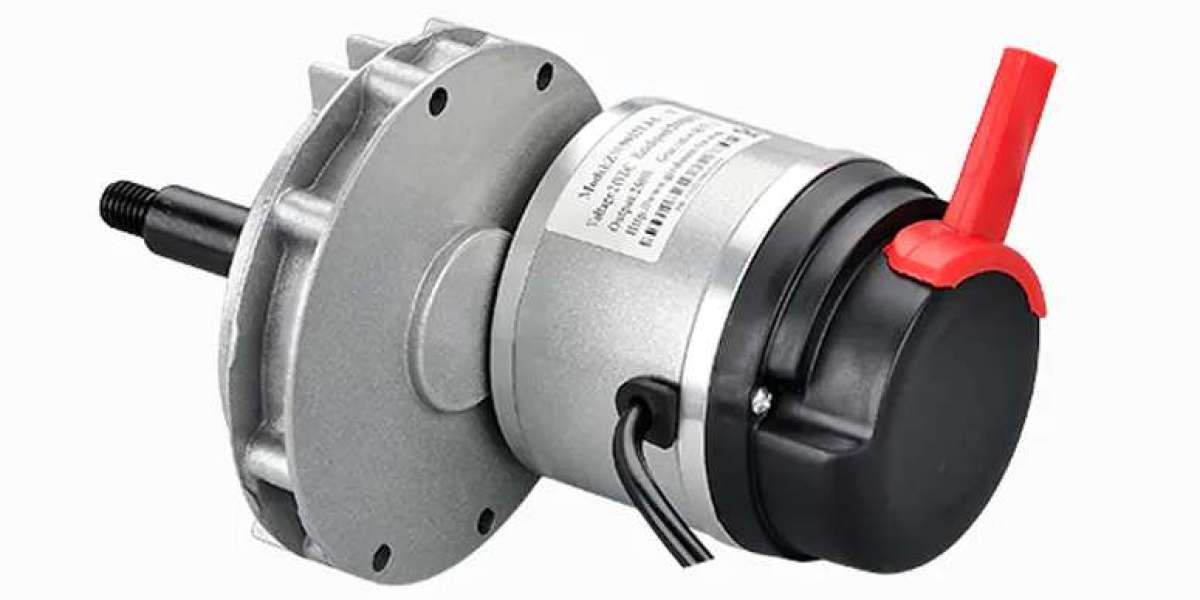

Importance of Incline Performance
The ability of a wheelchair to navigate slopes safely and efficiently is a critical aspect of overall mobility. Users often encounter ramps, curbs, or hilly terrain, making the performance of the Electric Wheelchair Motor on inclines an essential consideration. A motor that handles slopes effectively provides both safety and confidence, ensuring users can move independently without excessive strain or risk of tipping. Incline performance is determined by several factors, including motor power, torque, battery capacity, and the overall design of the wheelchair.
Motor Power and Torque
The power output of the motor directly affects how well the wheelchair can climb slopes. Motors with higher wattage and torque generate more force, allowing the chair to ascend steeper angles without slowing down excessively. Torque is particularly important because it determines the wheel’s ability to overcome resistance from gravity. A high-torque motor ensures that users can maintain a steady pace on inclines while minimizing the risk of stalling. Selecting an electric wheelchair with an appropriately powered motor is essential for individuals who frequently encounter ramps or hilly environments.
Battery Performance and Energy Efficiency
Incline navigation requires more energy than traveling on flat surfaces, placing additional demands on the wheelchair’s battery. Efficient energy management ensures that the motor can sustain uphill performance without depleting the battery too quickly. High-capacity batteries, paired with energy-efficient motors, enable longer travel distances on slopes and reduce the likelihood of sudden power loss. Users should also consider the relationship between motor efficiency and battery size when evaluating electric wheelchairs for incline-heavy routes.
Design Considerations for Stability
Performance on slopes is not solely dependent on the motor. Wheelchair design, including wheel size, weight distribution, and braking systems, plays a significant role in safety and maneuverability. A well-designed chair works in tandem with the motor to provide stability, ensuring smooth transitions on ramps and preventing backward roll. Some electric wheelchairs incorporate anti-tip features or specialized traction tires to further enhance incline performance. Choosing a motor and wheelchair combination optimized for slopes improves both safety and confidence for users.
Real-World Application and Testing
Users often measure motor performance on inclines through real-world testing. Smooth acceleration, consistent speed, and minimal strain on the motor are key indicators of high-quality performance. Additionally, the motor should maintain functionality over repeated slope climbs without overheating or losing efficiency. High-performing electric wheelchair motors allow users to navigate their environment independently, reducing reliance on caregivers or assistance for uphill travel.
The performance of an Electric Wheelchair Motor on slopes is a combination of power, torque, battery efficiency, and wheelchair design. A well-engineered motor enables smooth, stable, and safe uphill navigation, enhancing independence and overall user confidence. For individuals who regularly encounter inclines, selecting an electric wheelchair with a reliable, high-torque motor and compatible design features is essential for achieving consistent performance and long-term usability.