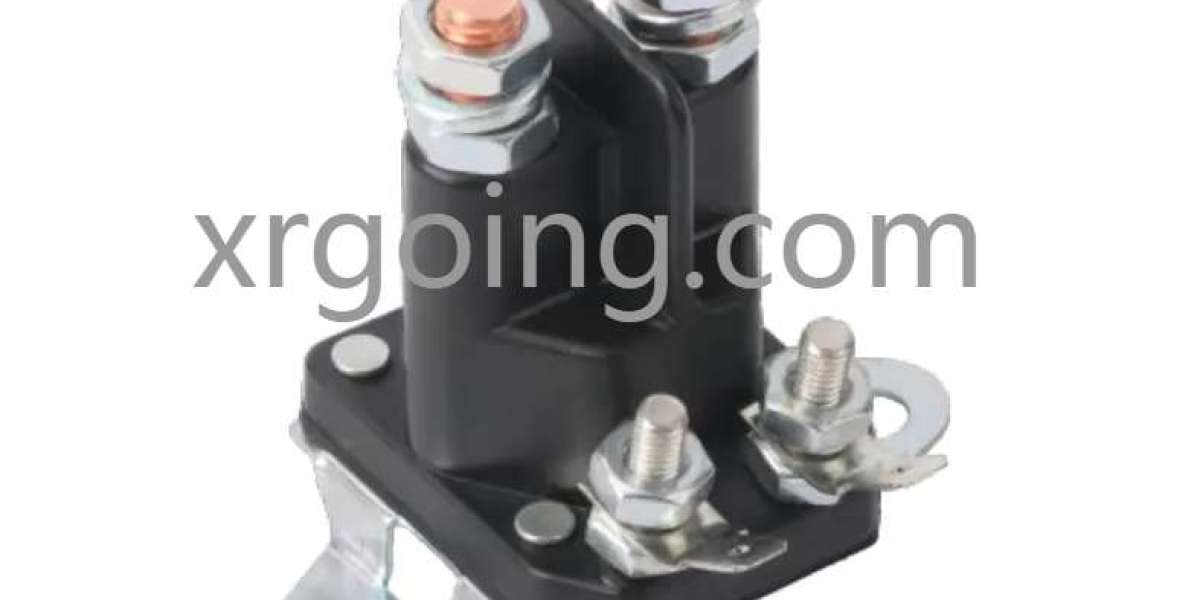

Introduction to Lawn Mower Relays
A Lawn Mower Relay is an essential electrical component designed to control the flow of current from the battery to the motor. It acts as an intermediary switch that handles high current demands during motor startup while protecting the mower’s wiring and ignition system. Many users wonder whether installing or maintaining a high-quality relay can actually improve the efficiency of motor starting. The answer lies in understanding the relay’s role in current management, voltage stability, and electrical resistance, all of which influence how smoothly the mower’s engine engages.
How Relays Affect Motor Startup
During motor startup, an electric lawn mower requires a surge of current to overcome inertia and bring the rotor up to operational speed. A worn or low-quality switch may introduce resistance or delays in current delivery, resulting in slower motor engagement or repeated starter clicks. A properly functioning relay reduces this resistance by providing a direct, low-impedance path from the battery to the motor. By minimizing voltage drops and ensuring full current reaches the motor promptly, the relay can help the engine start more efficiently and consistently, especially under cold or high-load conditions.
Voltage Stability and Efficiency
Voltage stability plays a crucial role in motor startup. Inadequate voltage can lead to sluggish or incomplete motor rotation, increasing wear on both the motor and the starter system. A relay maintains stable voltage by isolating the control circuit from the high-current path. This prevents voltage fluctuations caused by switches or worn contacts, ensuring that the motor receives a strong and consistent electrical supply. Improved voltage stability translates to faster startup times, reduced strain on the electrical system, and more reliable mower operation overall.
Reducing Electrical Resistance
Electrical resistance in the starter circuit can significantly impact motor efficiency. Resistance can arise from corroded terminals, aging switches, or thin wiring. A high-quality Lawn Mower Relay addresses this issue by providing a solid metal contact that conducts electricity with minimal loss. This reduction in resistance allows the motor to draw the full available current, which enhances torque generation during startup and reduces the likelihood of stalling or repeated attempts to start the engine.
Relay Quality and Maintenance
Not all relays are created equal. The construction material, contact design, and rated current capacity influence how effectively a relay can support motor startup. Regular maintenance, including cleaning terminals and checking for corrosion, ensures that the relay continues to perform optimally. Neglecting the relay can lead to increased electrical resistance and poor motor starting performance, negating any potential benefits of the component.
A Lawn Mower Relay can indeed improve motor startup efficiency when it is properly selected, installed, and maintained. By reducing electrical resistance, stabilizing voltage, and providing a direct path for high current, the relay ensures that the motor receives the power it needs to start quickly and reliably. High-quality relays not only enhance startup performance but also extend the life of the mower’s electrical system, making them a valuable component for both electric and battery-powered lawn mowers. Proper understanding of relay function and routine maintenance are key to achieving consistent and efficient motor operation.