
Introduction to Wood Types and Drill Performance
A Wood Drill Bit is a fundamental tool for woodworking, designed to create clean, precise holes in various types of wood. However, not all woods are created equal. Hardwoods like oak, maple, and walnut are dense and tightly grained, while softwoods such as pine, cedar, and fir are lighter and less compact. This difference in density and grain structure can have a significant impact on how a drill bit performs. Using the same drill bit on both hardwood and softwood does not always yield identical results, and understanding these differences is crucial for achieving clean, accurate holes and prolonging the life of the drill bit.
Drilling in Hardwood
Hardwoods are dense and often contain tightly interwoven fibers, which means more resistance during drilling. When using a drill bit designed for general woodworking, the higher density of hardwood can slow down the drilling process and generate more heat. Excessive heat can dull the drill bit over time, reducing its lifespan and effectiveness. Additionally, the dense fibers can sometimes cause tear-out around the edges of the hole if the drill speed or feed rate is not properly adjusted. For hardwoods, high-quality drill bits with sharp cutting edges and durable materials such as high-speed steel (HSS) or carbide-tipped designs are recommended to maintain precision and minimize effort.
Drilling in Softwood
Softwoods, in contrast, are less dense and generally easier to penetrate. Using the same drill bit on softwood allows for faster drilling with less resistance, producing smooth holes with minimal effort. However, softwoods have a looser grain, which can sometimes lead to splintering if the drill bit is not sharp or if excessive pressure is applied. Even though the bit may cut easily, attention must be paid to drilling speed and support under the workpiece to prevent tear-out. While softwoods are forgiving in terms of drill resistance, achieving precise results still requires proper bit selection and handling.
Differences in Hole Quality
Using the same bit on hardwood and softwood often results in noticeable differences in hole quality. In hardwood, the hole edges are cleaner, but the process is slower, requiring more careful technique to avoid overheating or bit damage. In softwood, drilling is faster but may produce slightly rough edges or splintering if the material is not well supported. Therefore, while the same wood drill bit can be used on both types of wood, adjustments to speed, pressure, and support are necessary to optimize results.
Bit Material and Design Considerations
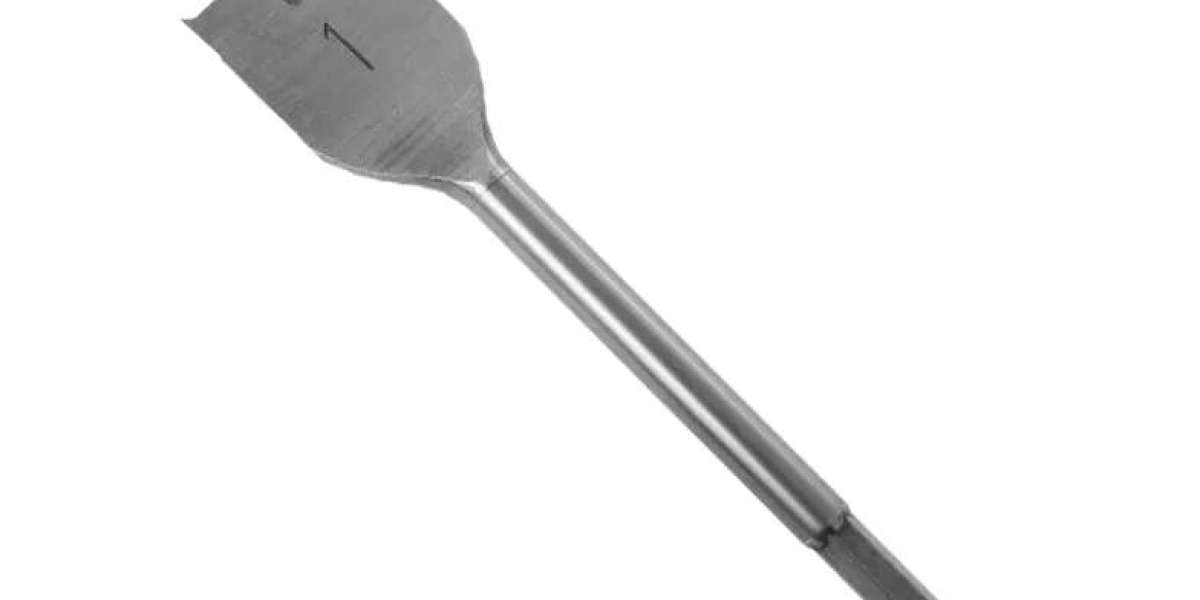
The performance difference between hardwood and softwood also highlights the importance of the bit material and design. Twist bits, spade bits, and Forstner bits each respond differently to wood density. Forstner bits, for example, excel in hardwood for producing flat-bottomed holes with clean edges, while spade bits are efficient in softwood for quick, deep drilling. Choosing the right bit for the material ensures consistent performance and prolongs the bit’s life.
Using the same Wood Drill Bit on hardwood and softwood does not produce identical results. Hardwoods demand more durable and sharp bits, slower drilling speeds, and careful handling to prevent heat damage and tear-out, while softwoods allow faster drilling with less resistance but require attention to splintering. Understanding the characteristics of the wood being drilled and adjusting technique accordingly ensures optimal performance, clean holes, and extended bit lifespan, regardless of the wood type.