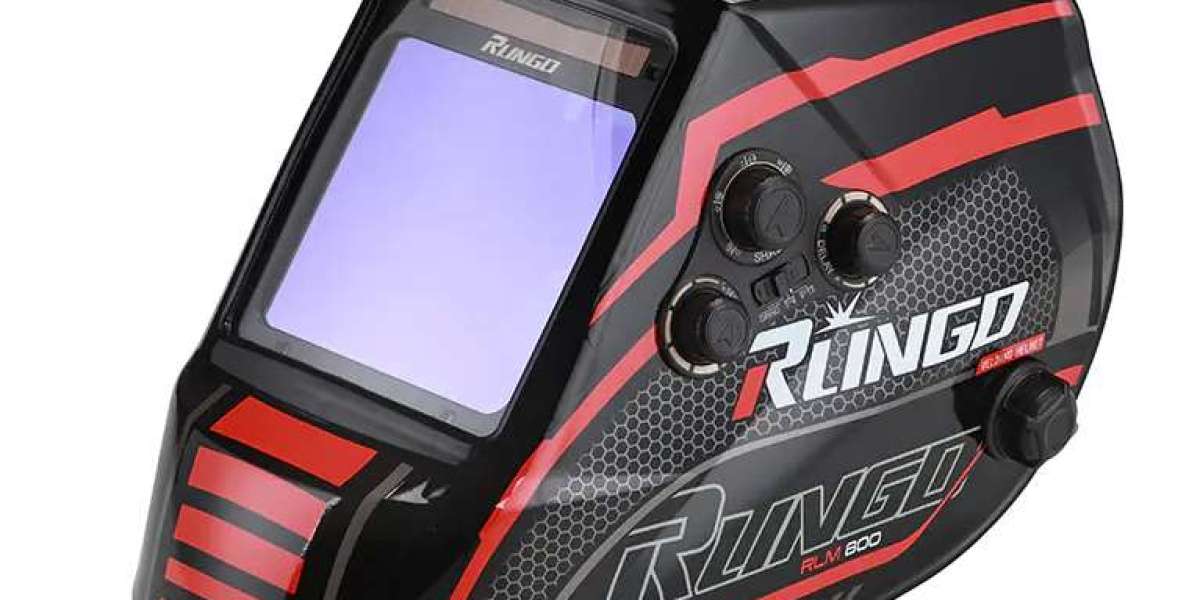

Introduction to Welding Hazards
Welding is a highly demanding task that exposes workers to intense heat, sparks, and flying metal fragments. Injuries caused by hot particles or molten metal can be severe, especially if protective gear is inadequate. The Full Face Auto Darkening Welding Helmet is designed to address these hazards by providing comprehensive coverage for the face, eyes, and neck. Its combination of a sturdy outer shell and auto-darkening lens aims to prevent both thermal injuries and eye damage caused by bright welding arcs.
Design Features for Protection
The effectiveness of a welding helmet in preventing injuries largely depends on its design. Full-face helmets cover the entire face and extend below the chin and around the sides of the head, creating a barrier between the welder and the work environment. The outer shell is typically made from heat-resistant materials such as reinforced polycarbonate or thermoplastic composites, which can withstand hot sparks and minor impacts from metal particles. This robust construction is key to preventing burns and abrasions during welding operations.
Auto-Darkening Lens and Eye Safety
The auto-darkening lens is another critical feature. While its primary function is to protect the eyes from harmful UV and IR radiation, it also contributes indirectly to overall safety. By automatically adjusting to the intensity of the welding arc, the lens ensures that welders maintain clear vision without the need to lift the mask repeatedly. This reduces the risk of accidental exposure to flying sparks or molten debris while manipulating tools or workpieces.
Effectiveness Against Flying Particles
Full-face welding helmets are specifically tested to resist penetration from small, high-velocity metal fragments. The curved and reinforced lens, combined with the rigid frame, prevents most sparks from reaching the skin or eyes. For heavier or more irregular debris, some helmets include additional protective features such as side shields or padding. The helmet’s design ensures that even in high-intensity welding processes like MIG, TIG, or arc welding, the face remains largely protected from flying metal shavings and splashes.
Thermal and Burn Resistance
Flying sparks are often accompanied by extreme heat. A helmet’s heat-resistant outer shell and interior padding work together to absorb and dissipate energy, reducing the risk of burns. Full-face helmets are designed to withstand repeated exposure to sparks over time without deformation or degradation, making them suitable for professional and industrial welding environments. Properly maintained helmets retain this protective quality for years, ensuring long-term safety for the user.
Additional Considerations for Safety
While full-face auto-darkening helmets provide significant protection, their effectiveness depends on correct usage. Helmets must fit securely to prevent gaps that could allow sparks or particles to reach the skin. Welders should also inspect helmets for cracks, lens damage, or worn padding, as compromised equipment can reduce protection. Combining the helmet with other personal protective equipment, such as gloves, aprons, and long sleeves, enhances overall safety against flying metal debris and hot particles.
A Full Face Auto Darkening Welding Helmet offers effective protection against welding sparks and hot metal particles. Its heat-resistant shell, auto-darkening lens, and full-face coverage combine to minimize the risk of burns, abrasions, and eye injuries. However, safety relies on proper fit, regular maintenance, and complementary protective gear. When used correctly, these helmets are an essential tool for any welder, ensuring both vision protection and physical safety in high-risk welding environments.