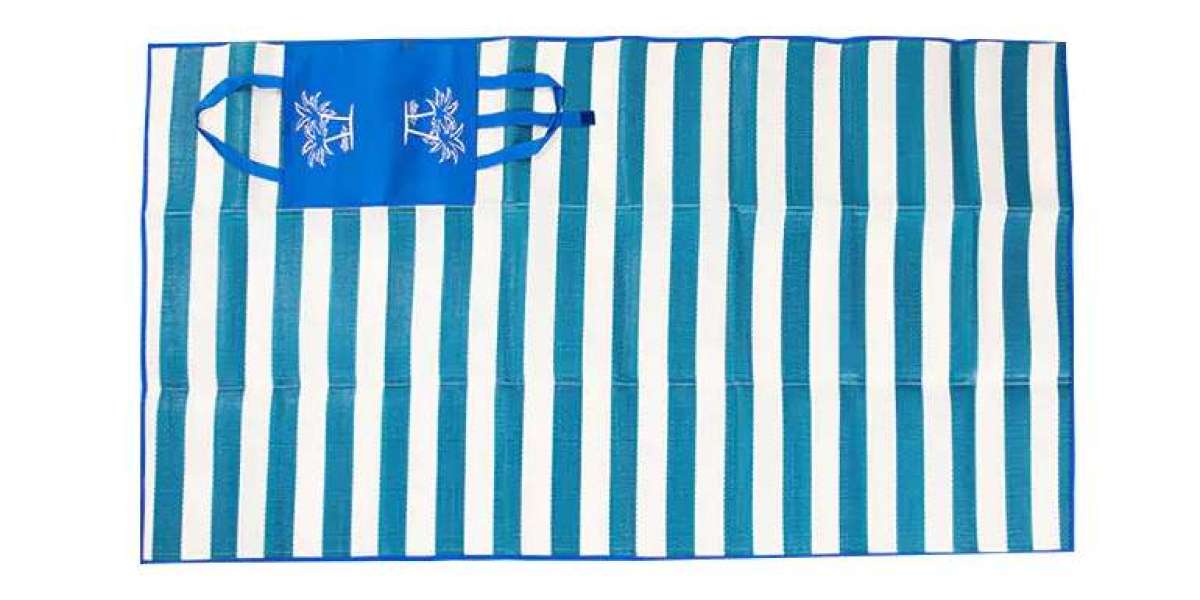

Durability and Wear Resistance
One of the main advantages of a Portable Plastic Beach Mat is its durability. Unlike fabric or nylon mats, plastic mats are resistant to tears, punctures, and abrasions caused by rough sand or small stones. While cloth mats can fray or wear out over time, plastic mats maintain their integrity even under heavy outdoor use. However, this durability comes at the expense of flexibility. Plastic mats can be stiffer and less comfortable to sit or lie on for extended periods, while fabric mats tend to offer a softer surface that conforms more easily to the body.
Ease of Cleaning and Maintenance
Another notable benefit of plastic mats is the ease of cleaning. Sand, dirt, and spills can be easily wiped off or rinsed with water, making them ideal for messy beach environments. In contrast, fabric and nylon mats often trap sand in their fibers and may require shaking, brushing, or even machine washing to remove debris. This convenience makes the Portable Plastic Beach Mat a practical choice for families with children or for people who frequently go to sandy or muddy outdoor locations. On the other hand, fabric mats can be less prone to retaining heat, and they generally dry faster in sunlight compared to thick plastic mats.
Portability and Storage
Portability is another factor to consider. Both plastic and fabric mats are lightweight and designed for transport, but plastic mats are often easier to fold or roll into compact shapes. They also usually retain their shape better and do not sag in the middle when folded for storage. Fabric mats, especially larger or padded ones, can be bulkier and harder to carry, although some high-quality nylon options include straps or carrying cases that improve portability.
Comfort and Usability
When it comes to comfort, fabric and nylon mats generally outperform plastic mats. Cloth surfaces provide a softer, more breathable sitting area, reducing discomfort during prolonged use in hot weather. Plastic mats can sometimes feel sticky in direct sunlight or when in contact with sweat or water. Additionally, fabric mats can offer more slip resistance and prevent items such as towels, drinks, or personal belongings from sliding around, whereas plastic surfaces can be slick, especially when wet.
Cost and Environmental Considerations
Price is another area of comparison. Plastic mats are typically affordable and provide long-lasting value due to their durability. Fabric mats, depending on the quality of material and construction, can be more expensive and may need replacement sooner. From an environmental perspective, fabric mats are usually more eco-friendly since they are made from natural fibers or recyclable materials, whereas plastic mats can contribute to non-biodegradable waste if not disposed of properly.
The choice between a Portable Plastic Beach Mat and a cloth or nylon mat depends on individual needs and preferences. Plastic mats excel in durability, easy cleaning, and compact portability, making them ideal for heavy outdoor use and sandy environments. Fabric and nylon mats, however, offer superior comfort, flexibility, and eco-friendliness, which may be more suitable for leisurely beach trips or family outings. Understanding the advantages and drawbacks of each type can help users select the best option for their lifestyle and beach activities.
Size:90x180cm, 150x180cm, 200x200cm, 200x240cm
Pattern: Stripe
Material: PP/Polypropylene
Applicability: Suitable for beach use
Packing detail: Each piece rolled
Size, design, and packing can be customized; special requirement is allowed