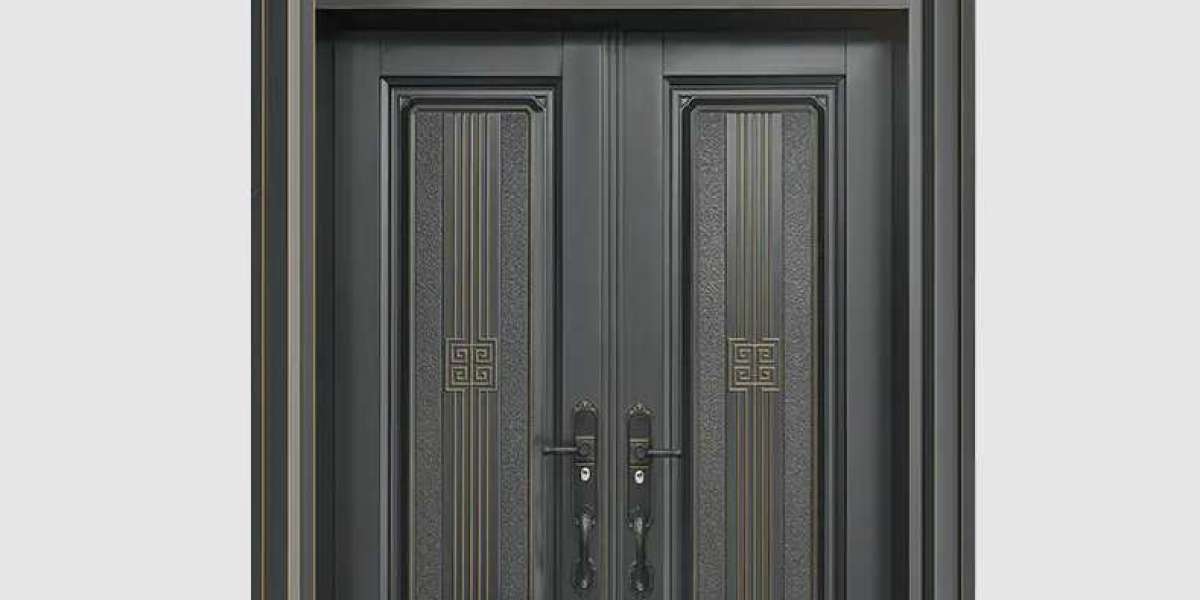

Importance of Soundproofing in Doors
Non-Standard Doors are increasingly used in residential, commercial, and industrial settings where noise control is a priority. Unlike standard doors, non-standard doors can be customized in size, material, and construction, allowing for greater flexibility in addressing specific acoustic challenges. Proper soundproofing not only improves comfort and privacy but also enhances productivity and well-being in workplaces and reduces disturbances in homes. Understanding how non-standard doors can improve noise reduction is essential for architects, designers, and homeowners seeking effective acoustic solutions.
Materials and Their Role in Soundproofing
The choice of materials plays a significant role in the soundproofing performance of non-standard doors. Solid cores, such as hardwood, MDF, or engineered composite materials, provide greater mass, which reduces sound transmission compared to hollow doors. Laminated layers with alternating densities can further dampen vibrations and absorb sound energy. Some non-standard doors incorporate specialized acoustic panels or foams within the door structure to enhance noise insulation. High-quality seals and gaskets around the edges of the door also prevent air leaks, which are a common path for sound to travel, ensuring the door performs effectively as a sound barrier.
Design Considerations for Noise Reduction
Non-standard doors offer the flexibility to optimize design for soundproofing. Thicker doors generally provide better insulation, while multi-layered constructions with internal damping materials can significantly reduce sound transfer. Door frames should be tightly fitted to the surrounding wall, and thresholds can be designed to prevent gaps that compromise acoustic performance. Some non-standard doors include double-panel or “sandwich” designs where two layers of material are separated by a cavity filled with sound-absorbing material. This approach reduces vibration and blocks a wide range of frequencies, making it suitable for applications like recording studios, home theaters, or conference rooms.
Installation Techniques and Sealing
Even a well-constructed door can underperform if installed incorrectly. To maximize soundproofing, non-standard doors must be properly aligned with the frame and include high-quality seals along the perimeter. Weatherstripping, acoustic gaskets, and automatic door bottoms can prevent sound leakage at the edges. Proper installation ensures that the entire door assembly acts as a continuous barrier, preventing gaps that allow sound to pass through. Additionally, positioning the door away from structural weaknesses in walls or floors can further enhance overall acoustic performance.
Applications and Benefits
Enhanced soundproofing in non-standard doors provides benefits across many environments. In residential settings, they reduce noise from traffic, neighbors, or household appliances, creating a more comfortable living space. In offices and commercial buildings, soundproof doors improve privacy and reduce distractions, contributing to better concentration and productivity. Specialized applications such as medical facilities, recording studios, or hotels rely on non-standard doors to meet strict acoustic requirements. By effectively managing sound transmission, these doors improve safety, privacy, and comfort, demonstrating the versatility of non-standard door designs.
Non-Standard Doors can significantly improve noise reduction through careful selection of materials, thoughtful design, and precise installation techniques. Their customizability allows for enhanced acoustic performance tailored to specific needs, making them ideal for environments where privacy, comfort, and sound control are critical. By combining solid construction, multi-layered designs, effective sealing, and professional installation, non-standard doors offer a practical and effective solution for managing sound in residential, commercial, and specialized spaces.
Grade: Fine non-standard
Size: height 1960 ~ 2980 width 1480 ~ 1980
Panel: frame 1.5, fan 0.8
Hinge: hinge hinge
Door frame: 90 three-dimensional frames, 170 steel sets of doors, 27 wall-Pro
Downgrade: chevron 201 stainless steel bottom frame 1.2
Material: Frame [Cold Rolled] Fan [Cold Rolled]
Lock: 59A#