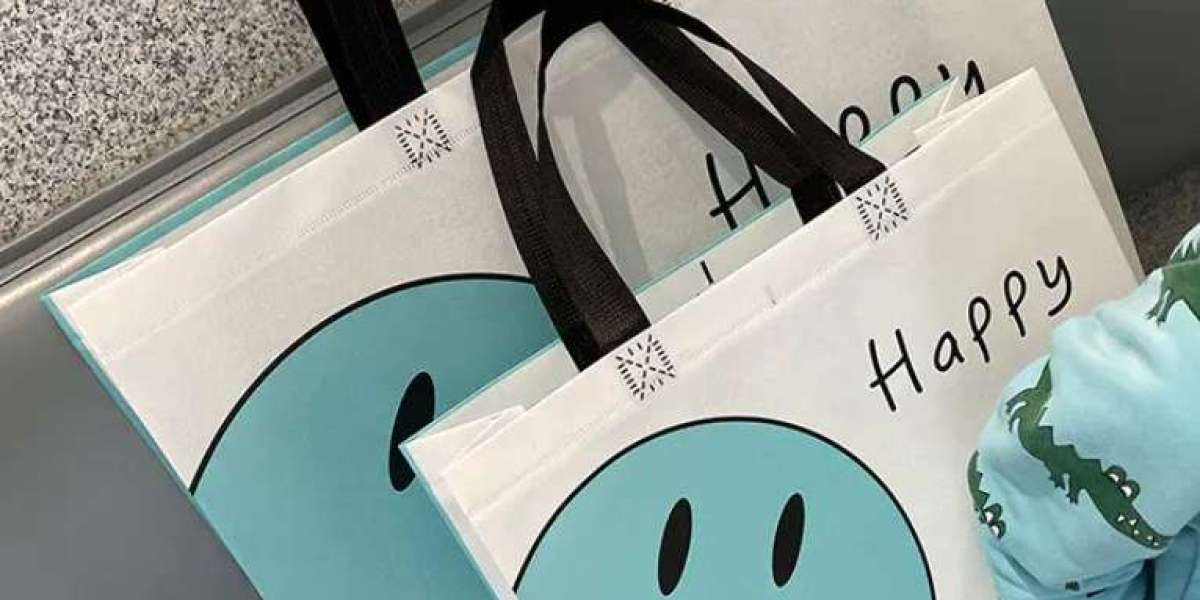

Environmental Concerns and Non-Woven Bags
Non-Woven Shopping Bags are commonly promoted as eco-friendly alternatives to single-use plastic bags. They are lightweight, reusable, and often used for grocery shopping, retail, and promotional purposes. However, questions arise regarding their true environmental impact, particularly whether these bags can be recycled or naturally degrade after use. Understanding the recyclability and biodegradability of non-woven bags is essential for both consumers and businesses committed to sustainable practices.
Material Composition: Polypropylene Dominance
Most non-woven shopping bags are made from polypropylene (PP), a type of plastic that is technically recyclable. While PP is widely accepted in industrial recycling programs, many municipal facilities do not handle small, flexible items like bags effectively. As a result, a significant portion of used non-woven bags may end up in landfills despite being recyclable. Polypropylene’s durability, while advantageous for reuse, also means that the material does not degrade quickly in natural environments, raising questions about long-term environmental impact.
Recyclability Challenges
The main challenge with recycling non-woven shopping bags is logistics. The lightweight and flexible nature of the material makes it difficult to process with conventional recycling machinery. Additionally, contaminated bags with food residue, dirt, or ink from printed logos cannot be efficiently recycled without extensive cleaning. Some specialized recycling programs exist to handle non-woven polypropylene products, but participation and accessibility remain limited. Therefore, simply labeling these bags as “recyclable” can be misleading without proper disposal infrastructure.
Biodegradability Considerations
Non-woven shopping bags are not inherently biodegradable. Unlike paper or natural fiber alternatives, polypropylene does not break down easily in soil or water. Standard environmental conditions may take decades for complete decomposition. Some manufacturers have started producing biodegradable or compostable non-woven bags using modified polymers or blending PP with plant-based materials. These innovations allow for gradual degradation under controlled conditions, but they are still less common and often more expensive than conventional bags.
Sustainable Usage Practices
While recycling and biodegradation remain limited, non-woven bags can still contribute to sustainability when used responsibly. Reusing the same bag multiple times reduces the demand for single-use plastics, cutting overall environmental impact. Consumers should focus on extending the lifespan of each bag, while companies can promote programs to collect and recycle or repurpose old bags. These practices help mitigate environmental risks and enhance the eco-friendly perception of non-woven products.
Reuse Over Disposal
Non-Woven Shopping Bags offer a reusable alternative to plastic, but their recyclability and biodegradability are constrained by material and infrastructure limitations. Conventional polypropylene bags are recyclable in principle but challenging to process, and they do not decompose naturally. Consumers and businesses should prioritize reuse, while innovation in biodegradable materials may gradually improve environmental outcomes. Understanding these realities allows users to make informed choices and maximize the sustainability benefits of non-woven shopping bags.
Colour: Various colours
Pattern: Customizable
Width:5cm~60cm
Length: Customizable
Thickness: 0.08mm-1.2mm (customisable)
Material: Non-woven
Process: Die-cutting
Application: Clothing, food, daily necessities, cosmetics, cultural products, etc.