Unlocking Security: The Essential Guide to Choosing and Using Suitcase Padlocks Wisely
Traveling can be one of life’s greatest pleasures, but the concern for the safety of our belongings often casts a shadow over our journey. Securing luggage with padlocks has become an essential practice for travelers worldwide. With various types of padlocks available, each designed to cater to different needs, it’s crucial to understand which ones provide the best protection for your suitcase. In an age where travel security is paramount, investing in a reliable padlock not only ensures the safety of your items but also grants you peace of mind during your adventures. This article will guide you through the different types of padlocks suitable for suitcases, how to choose the right one, and tips for using them effectively.
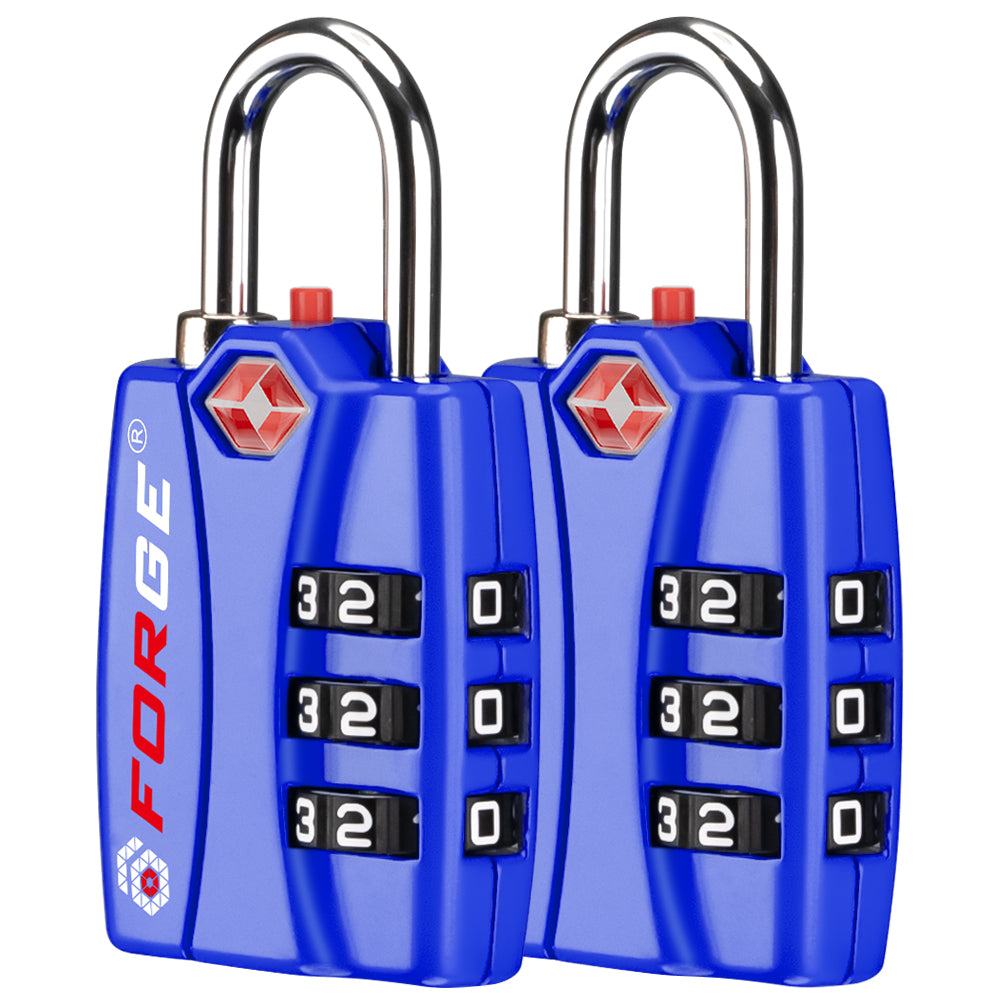
Understanding Suitcase Padlocks
When it comes to securing your suitcase, several types of padlocks stand out as suitable options. The most common types are combination locks, key locks, and TSA-approved locks. Combination locks are popular for their convenience—there’s no need to carry keys, and you can set your own code. However, these locks require you to remember the combination, which can be a drawback for some travelers. Key locks, while straightforward, can pose the risk of losing the key. For frequent flyers, TSA-approved locks offer the best of both worlds; they can be opened by TSA agents using a master key, allowing for inspections without damaging your lock or luggage. Understanding these types of padlocks can help you choose the right one based on your travel habits and preferences.
Choosing the Right Padlock for Your Suitcase
Selecting the right padlock involves considering several key factors. First, the size of the lock should correspond to the suitcase zippers; a lock that’s too large can be cumbersome, while a small one might not provide sufficient security. Durability is another crucial aspect; look for padlocks made from high-quality materials that can withstand impact and corrosion, especially if you plan to travel frequently. Ease of use is also important—choose a lock that you can operate quickly and without frustration. Lastly, consider the security features; some padlocks come with advanced mechanisms that are harder to pick or cut. Reflect on your travel needs and assess these features to find a padlock that truly meets your requirements. A friend of mine once learned this the hard way during a trip when they opted for a cheap padlock that was easily broken into, leaving their belongings vulnerable.
How to Use Suitcase Padlocks Effectively
Using padlocks on your suitcase might seem straightforward, but there are best practices to ensure effectiveness. Start by securing your suitcase zippers with the lock. For combination locks, ensure that you scramble the numbers after locking to prevent unauthorized access. When using a key lock, make sure the key is stored safely, perhaps in a zippered pocket within your luggage. A common mistake is neglecting to check that the lock is properly engaged; always give it a gentle tug after locking to confirm it's secure. Additionally, avoid using the padlock as your only form of security; consider combining it with other methods, such as travel-safe bags or anti-theft backpacks, to enhance protection.
Maintaining Your Padlock
Regular maintenance of your padlock is essential for ensuring its longevity and effectiveness. Start by cleaning the lock periodically with a soft cloth to remove dirt and debris that can hinder its operation. If your lock is sticking, a few drops of lubricant can work wonders—just ensure you use a product suitable for locks. Regularly check for signs of wear and tear, and if the lock starts to malfunction, consider replacing it before it fails during a crucial moment. My cousin once ignored maintenance on his padlock, resulting in a jammed lock right before his flight. Taking the time to care for your padlock can save you from similar stressful situations.
Ensuring Luggage Security for Your Travels
In summary, choosing and using suitcase padlocks wisely is a vital step towards ensuring the security of your belongings while traveling. By understanding the different types of padlocks available, selecting the right one based on your needs, and employing effective usage and maintenance practices, you can significantly reduce the risks associated with luggage theft. As you prepare for your next adventure, remember that prioritizing luggage security can lead to a more enjoyable and stress-free travel experience.