

Unlock the Secrets of Osmosis: Discover How Water Purifiers Transform Your Drinking Experience!
In a world where clean drinking water is becoming increasingly scarce, understanding the science behind water purification is more important than ever. Osmosis, a natural process that plays a critical role in this field, offers innovative solutions for ensuring our water is safe and healthy to consume. Osmosis water purifiers utilize this scientific principle to effectively remove impurities and contaminants from our drinking water. As urban areas face growing concerns about water quality, these systems have gained popularity among households seeking to ensure their health and well-being. With personal stories echoing the transformative impact of cleaner water on health, it’s clear that osmosis water purifiers are not just a luxury but a necessity for many.
Understanding Osmosis and Its Role in Water Purification
Osmosis is the movement of water molecules through a semi-permeable membrane from an area of lower solute concentration to an area of higher solute concentration. This natural phenomenon is vital for maintaining balance in biological systems. In the context of water purification, osmosis is harnessed to separate clean water from contaminants. By utilizing membranes that allow only water molecules to pass through while blocking larger particles and impurities, osmosis water purifiers can effectively filter out harmful substances. The scientific principles of osmosis not only ensure the removal of dissolved solids but also enhance the clarity and overall quality of drinking water, making it safer for daily consumption.
How Osmosis Water Purifier Systems Work
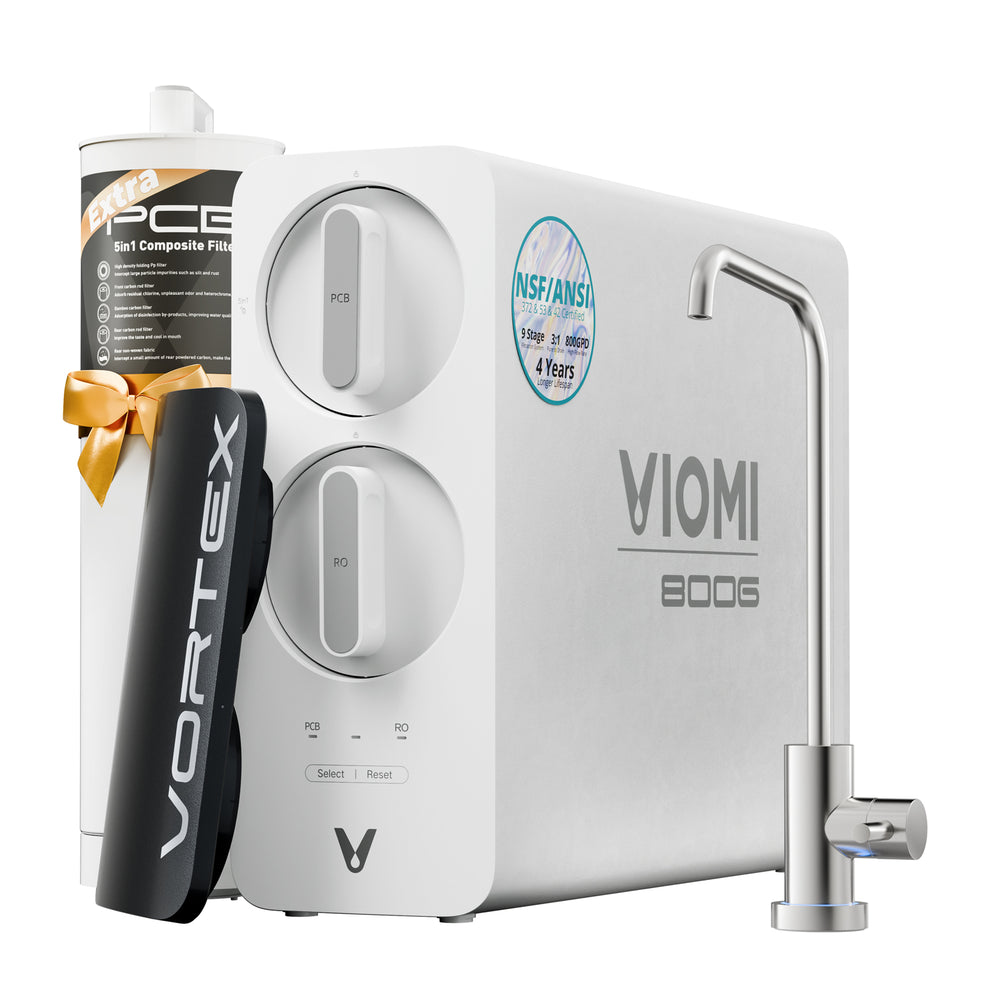
An osmosis water purifier system typically comprises several key components, including pre-filters, membranes, and post-filters. Each element plays a crucial role in the purification process. First, the water passes through pre-filters designed to remove larger sediments and particles, which protects the more delicate components of the system. Following this initial filtration, the water enters the reverse osmosis membrane, where the magic happens. This membrane acts as a barrier, allowing only water molecules to pass through while trapping contaminants such as heavy metals, bacteria, and other harmful substances. After this step, the purified water is often subjected to post-filters, which can enhance taste and remove any remaining odors. This multi-stage filtration process ensures that the water you drink is not only clean but also refreshing and safe.
The Filtration Process
The filtration stages in an osmosis water purifier are crucial to achieving high-quality drinking water. Initially, sediment filtration removes larger particles, such as dirt and rust, ensuring that the water entering the system is relatively clean. Next, carbon filtration eliminates chlorine, volatile organic compounds (VOCs), and unpleasant tastes or odors, making the water more palatable. Finally, the reverse osmosis step is where the most significant purification occurs, effectively removing dissolved solids and contaminants. Each stage is designed to improve water quality progressively, resulting in a final product that is clear, safe, and enjoyable to drink.
Benefits of Using Osmosis Water Purifiers
Osmosis water purifiers offer numerous advantages that go beyond just providing clean water. One of the most notable benefits is their ability to remove a wide range of contaminants, including lead, fluoride, and nitrates, which can pose health risks. Consumers often report an improvement in taste, with many noting that water from these systems is fresher and more enjoyable than tap water. Furthermore, using an osmosis water purifier can contribute to better overall health, as access to clean water is essential for hydration and bodily functions. On an environmental level, these systems can reduce reliance on bottled water, thus decreasing plastic waste. Additionally, while the initial investment in an osmosis water purifier may seem high, the long-term savings on bottled water and potential health costs can make them a cost-effective solution.
Common Misconceptions About Osmosis Water Purifiers
Despite their benefits, there are several misconceptions surrounding osmosis water purifiers. One common myth is that these systems waste a significant amount of water, which can deter potential users. While it’s true that some water is discarded during the purification process, advancements in technology have led to more efficient systems that minimize waste. Another misconception is that osmosis water is "dead" water and lacks essential minerals. While it is true that the process removes many minerals, some systems include remineralization stages to add beneficial minerals back into the water. Addressing these misunderstandings is crucial in helping individuals make informed decisions about their water purification needs.
Enhancing Your Drinking Water Experience
In summary, osmosis water purifiers are a powerful tool for enhancing the quality of our drinking water. By leveraging the natural process of osmosis, these systems effectively remove harmful contaminants and improve taste, contributing to better health and well-being. As the demand for clean water continues to rise, understanding how these purifiers work and their numerous benefits can empower individuals to make informed choices. With the right system in place, you can transform your drinking water experience, ensuring that every sip is refreshing and safe.