

Dental implants are a highly effective solution for replacing missing teeth, offering durability, functionality, and a natural appearance. For many, the thought of undergoing implant treatment can feel overwhelming, combining considerations about surgery, recovery, and achieving the perfect smile. Preparation is key to a successful outcome, helping to reduce anxiety and improve both healing and aesthetic results. This guide offers a comprehensive checklist for patients preparing for dental implants, covering every stage from consultation to long-term care, ensuring a confident and informed approach to the journey ahead.
Understanding Dental Implants
Dental implants are titanium posts that replace the roots of missing teeth. Once placed into the jawbone, they integrate with the surrounding bone tissue through a process called osseointegration. After full healing, crowns, bridges, or dentures can be attached, restoring both function and appearance.
Key Benefits of Dental Implants:
- Enhanced Functionality: Patients can chew and bite naturally.
- Aesthetic Improvement: Implants resemble natural teeth in shape and colour.
- Durability: With proper care, implants can last for decades.
- Bone Health Preservation: Prevents jawbone deterioration often caused by tooth loss.
Implant Part | Function |
Post/Fixture | Anchors the implant into the jawbone |
Abutment | Connects the post to the crown |
Crown | Provides the visible tooth replacement |
Understanding these elements gives patients a clear picture of what to expect and highlights the importance of careful preparation for a successful procedure.
Initial Consultation Checklist
Your first appointment with a dental specialist is vital. This consultation allows the dentist to assess your oral health and outline a personalised treatment plan.
Checklist for a productive consultation:
- Oral Health Assessment: Confirms gums and remaining teeth are healthy.
- Implant Options: Discuss type, material, and placement.
- Medical History: Include surgeries, chronic conditions, and medications.
- Treatment Timeline: Understand the stages from placement to final restoration.
- Cost and Insurance: Clarify pricing and coverage.
Patients with urgent dental concerns can also contact an emergency dentist in Edinburgh for guidance before beginning the full implant process.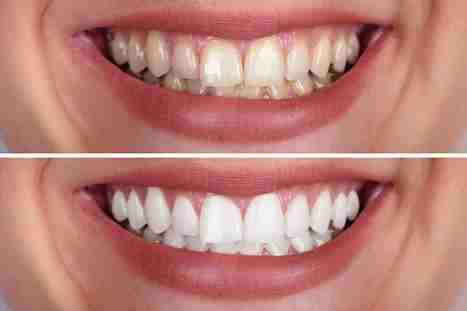
Pre-Implant Preparation
Proper preparation greatly improves the success of dental implants and reduces recovery complications.
Key steps include:
- Treat Existing Dental Issues: Address cavities, gum disease, or infections.
- Bone Health Check: Evaluate jawbone density; bone grafts may be required.
- Lifestyle Adjustments:
- Quit smoking to promote better healing.
- Maintain a nutritious diet for bone and tissue health.
- Medication Review: Some drugs can affect healing or increase bleeding.
- Oral Hygiene Reinforcement: Establish consistent brushing and flossing habits.
Preparing your mouth and body ensures the surgical experience is smoother and boosts confidence in achieving optimal results.
What to Expect on Surgery Day
Knowing what happens during dental implant surgery helps reduce anxiety and ensures patients feel informed.
Procedure Overview:
- Local anaesthesia or conscious sedation minimises discomfort.
- Titanium posts are inserted into the jawbone with precision.
- The gum is closed over the implant to facilitate healing.
Comfort Measures During Surgery:
- Pain management via anaesthesia
- Sedation for anxious patients
- Gentle handling of soft tissues to reduce swelling
Most patients experience manageable discomfort and can return to routine activities within a few days, with full integration of the implant occurring over several months.
Post-Implant Care & Recovery
Proper care after implant surgery is essential to ensure successful osseointegration and long-term results.
Immediate Aftercare:
- Follow a soft-food diet initially.
- Apply cold compresses to reduce swelling.
- Avoid strenuous activity that could disrupt the implant site.
Healing Timeline:
- Initial Healing: 1–2 weeks for soft tissue recovery.
- Osseointegration: 3–6 months for implant bonding with the jawbone.
Dos & Don’ts Table:
Dos | Don’ts |
Take prescribed painkillers | Avoid hard or sticky foods |
Keep the area clean | Do not smoke |
Attend follow-up appointments | Do not remove stitches prematurely |
Access to an emergency dentist in Edinburgh is beneficial for any unexpected issues during recovery, ensuring complications are promptly addressed.
Restoring Your Smile
Once the implant integrates with the bone, the final stage is attaching the crown or other prosthetic.
Key Considerations:
- Crowns are customised to match the colour, size, and shape of natural teeth.
- Cosmetic enhancements like veneers or professional whitening treatments, such as Teeth whitening Edinburgh, can complement the implant for a uniform and radiant smile.
- Choosing a natural-looking restoration boosts both function and confidence.
Combining restorative and cosmetic dentistry ensures patients achieve not only comfort but also the aesthetic results they desire.
Long-Term Maintenance
Implants require ongoing care to maintain oral health and longevity.
Essential Maintenance Tips:
- Regular Check-Ups: Monitor implant stability and gum health.
- Oral Hygiene: Brush twice daily, floss carefully around the implant.
- Lifestyle Habits:
- Limit sugary foods and drinks
- Avoid habits like teeth grinding; use a nightguard if needed
- Quit smoking to preserve bone and gum health
Checklist for Daily Care:
- Brush with fluoride toothpaste
- Floss or use interdental brushes for gaps
- Attend professional cleanings
- Monitor any changes around the implant site
Consistent care ensures the implant remains stable and your smile continues to look natural and vibrant.
Comfort and Anxiety Management
Dental anxiety is a common concern that can delay treatment. Modern dental practices address this with multiple strategies:
- Local Anaesthesia: Pain-free procedures.
- Sedation Options: Helps patients relax and stay calm.
- Gentle Techniques: Reduces discomfort and tissue trauma.
- Clear Communication: Explaining each step helps patients feel reassured.
By prioritising comfort and managing anxiety, patients are more likely to adhere to treatment plans and follow-up care, supporting long-term implant success.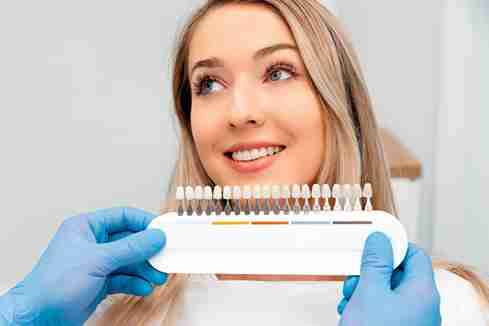
The Role of Technology
Advances in dental technology have revolutionised implant procedures, improving accuracy, speed, and patient comfort.
Innovations Include:
- Digital X-rays & 3D Scans: Accurate mapping of jawbone structure.
- CAD/CAM Technology: Custom crowns for precise fit.
- Guided Implant Surgery: Minimally invasive, reducing recovery time.
- Intraoral Cameras: Helps both dentist and patient visualise the treatment area.
Modern technology ensures patients receive predictable results while minimising discomfort, making procedures safer and more efficient.
Conclusion
Dental implants are transformative, providing functionality, aesthetics, and renewed confidence. By following a structured checklist, covering consultation, preparation, surgery, recovery, and maintenance, patients can approach their implant journey with assurance. Professional cosmetic treatments like teeth whiteningcomplement restorative care, creating a harmonious, radiant smile.
For patients in Edinburgh, access to expert implant care ensures each step is managed safely, effectively, and comfortably. Combining preparation, preventive measures, and cosmetic enhancements delivers long-lasting oral health, confidence, and a smile you can be proud of.