

Unlock the Secret to Soothing Your Baby's Nasal Congestion with This Must-Have Tool!
Nasal congestion in babies is a common yet distressing issue that many parents face. It can arise from a variety of causes, including allergies, colds, or even dry air. When a baby struggles to breathe through their nose, it can lead to discomfort, irritability, and disrupted sleep for both the baby and the parents. Hence, addressing nasal congestion promptly is crucial for maintaining the baby’s comfort and overall health. One of the most effective tools at a parent's disposal is a nasal aspirator. This simple device helps clear a baby's nasal passages, providing much-needed relief and enabling better breathing. Understanding how to use a nasal aspirator can make a world of difference for your little one and bring peace of mind to parents.
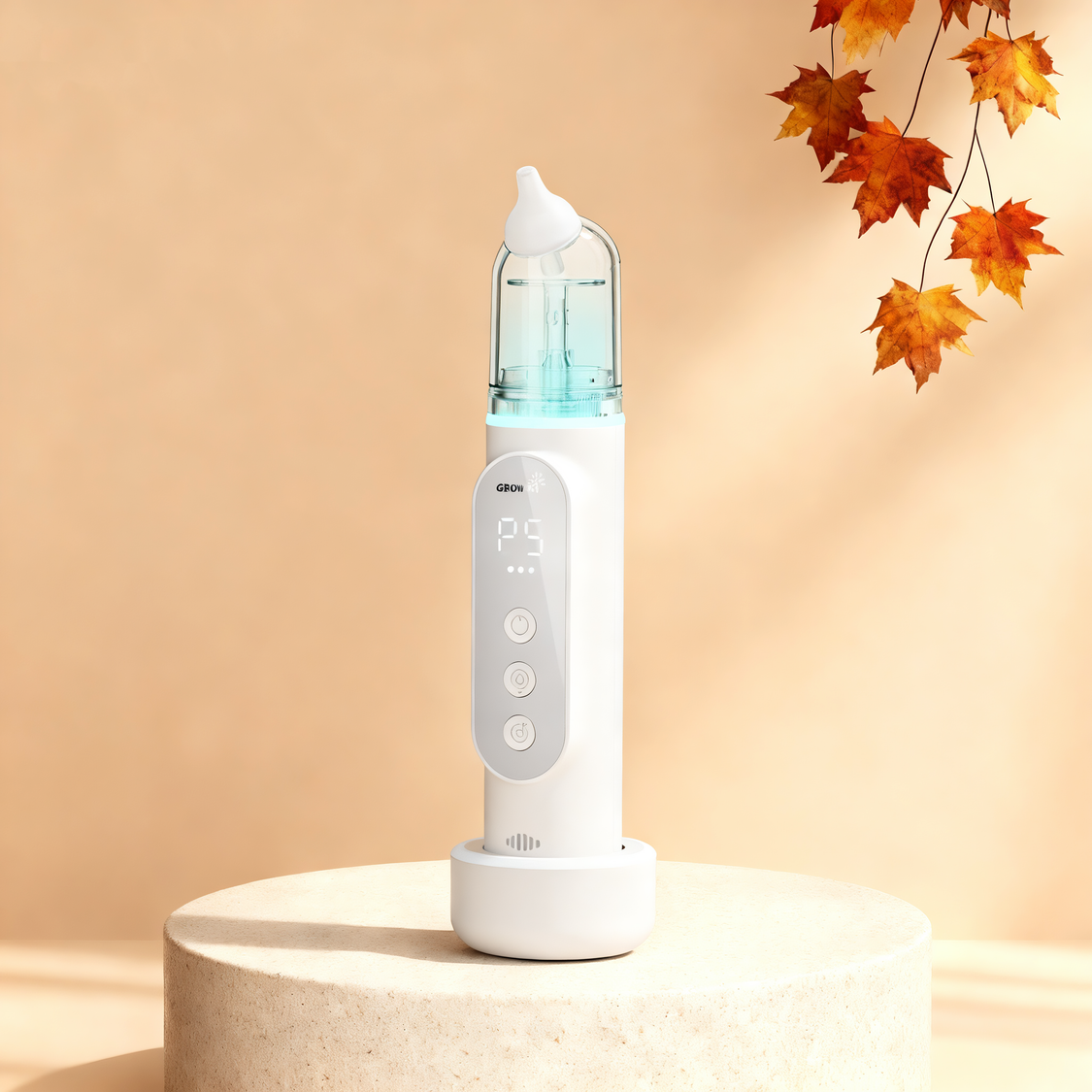
Understanding Nasal Aspirators
A nasal aspirator is a device designed to help remove mucus from a baby’s nose, making it easier for them to breathe. There are several types of nasal aspirators available, including bulb syringes, electric aspirators, and manual aspirators. Each type has its own unique features and benefits. Bulb syringes are the most traditional option, consisting of a soft rubber bulb that creates suction when squeezed. They're easy to use and inexpensive, making them a popular choice among parents. Electric nasal aspirators offer more convenience and efficiency, as they use battery power to create suction, allowing for quicker and less effortful use. Lastly, manual aspirators utilize a tube and suction mechanism operated by the parent’s mouth—though this may seem less appealing, many parents swear by their effectiveness. Regardless of the type chosen, nasal aspirators are safe for babies when used correctly, ensuring that even the tiniest noses can find relief from congestion.
How to Use a Nasal Aspirator Properly
Using a nasal aspirator effectively involves several straightforward steps to ensure maximum comfort and safety for your baby. First, it's essential to prepare by gathering all necessary items: the nasal aspirator, saline drops, and a soft towel. Begin by instilling a few saline drops into your baby’s nostrils to help loosen the mucus. After a minute, position your baby comfortably, either in your lap or on a flat, soft surface. If using a bulb syringe, squeeze the bulb, gently insert the tip into one nostril, and release the bulb to create suction. For electric aspirators, simply follow the manufacturer's instructions. Always aim to be gentle to avoid causing discomfort. Once you've cleared one nostril, repeat the process on the other side. After use, clean the aspirator thoroughly according to the manufacturer's guidelines to maintain hygiene. Safety precautions are vital; never insert the aspirator too deeply into the nostril and always supervise your baby during the process.
Benefits of Using a Nasal Aspirator
The benefits of using a nasal aspirator extend beyond simply clearing mucus. One of the primary advantages is the improvement in your baby’s breathing, which can lead to a more restful sleep. A clear nasal passage allows your baby to feed better, reducing fussiness and discomfort. Additionally, using a nasal aspirator can help prevent further complications from congestion, such as ear infections, by keeping the nasal passages clear. It's important to use the aspirator judiciously; typically, it can be used several times a day, especially before naps or bedtime when congestion is likely to interfere with sleep. Parents should also keep an eye on their baby’s overall demeanor and health to determine when the aspirator is needed most. Personal experiences shared by friends highlight that regular use of a nasal aspirator during cold season not only eases symptoms but also helps in maintaining a calmer household.
When to Seek Medical Advice
While nasal aspirators are incredibly helpful, there are times when professional medical advice is necessary. Parents should consult a pediatrician if their baby displays signs of severe illness, such as high fever, persistent coughing, or difficulty breathing. Prolonged nasal congestion that lasts more than a week or is accompanied by a green or yellow discharge may also warrant a visit to the doctor, as it could indicate a more serious infection. Monitoring your baby’s symptoms closely is key; if there are any concerns about their breathing or if they seem unusually lethargic, seeking medical help promptly is always the best course of action. Remember, it's better to err on the side of caution when it comes to your baby’s health.
Key Takeaways on Using Nasal Aspirators
In summary, a nasal aspirator is an invaluable tool for managing nasal congestion in babies. It offers not only immediate relief but also contributes to better overall comfort and health for your little one. By understanding how to use a nasal aspirator effectively and knowing when to seek medical advice, parents can feel empowered in their caregiving journey. Incorporating this handy device into your baby care routine can make a significant difference, ensuring your baby has the best chance for restful sleep and comfortable breathing. So, if you haven’t already, consider adding a nasal aspirator to your baby care toolkit—your baby will thank you for it!