

Unlocking the Mystery: Why Your Wedding Ring Belongs on the Left Hand!
The tradition of wearing wedding rings has been a cherished practice across cultures for centuries, symbolizing love, commitment, and the unbreakable bond between partners. While many may simply slip on their rings without a second thought, the choice of wearing a wedding ring on the left hand is steeped in fascinating historical and cultural significance. Why is this the case? This article aims to delve into the intriguing reasons behind this custom, exploring its roots in history, cultural variations, and the symbolism associated with the left hand. Join us as we uncover the rich tapestry of meaning woven into this timeless tradition.
The Historical Context of Wedding Rings
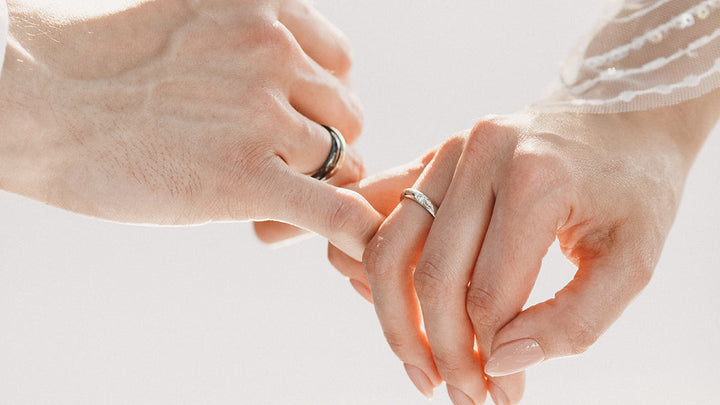
The origins of wedding rings can be traced back to ancient civilizations, where they served as tokens of ownership and commitment. The ancient Egyptians are often credited with the first use of wedding rings, which were made from braided reeds or leather. They believed that the ring represented a circle of eternal love, with no beginning or end. The left hand specifically began to gain prominence when the Romans adopted the practice, believing that the left hand contained the "vena amoris," or the vein of love, which was thought to run directly to the heart. This belief added a layer of romanticism to the act of wearing a ring on the left hand, creating a strong emotional connection to the symbol of marriage. Over time, this practice evolved, and the materials used for wedding rings transitioned from simple natural fibers to more durable and precious metals, reflecting the growing significance of the union they represented.
Cultural Variations in Ring Placement
While many Western cultures embrace the practice of wearing wedding rings on the left hand, this is not a universal custom. In some countries, such as Germany, India, and Russia, couples typically wear their wedding rings on the right hand. The reasons for these variations are deeply rooted in cultural beliefs and historical influences. In Germany, the right hand is considered the hand of greeting and union, making it a fitting choice for a wedding ring. In India, the right hand is traditionally associated with auspiciousness, leading many to wear their rings there. These cultural differences highlight the diverse interpretations of love and commitment, yet the left-hand tradition remains a stronghold in many societies. Understanding these variations offers a broader perspective on how love is expressed around the world.
The Symbolism of the Left Hand
The left hand is often imbued with deep symbolism across various cultures. In many traditions, it is seen as the hand that is closer to the heart, making it a fitting location for a symbol of love and devotion. This idea resonates with the sentiment that wedding rings are not just adornments but profound symbols of commitment and fidelity. Personal anecdotes from friends often underscore this significance; for instance, a friend of mine shared how her grandmother always placed her wedding ring on the left hand as a way to remind her that love should be cherished and held close to the heart. Additionally, left-handedness has often been associated with creativity and intuition, adding another layer of meaning to the act of wearing a wedding ring on this hand. These symbolic interpretations reinforce the idea that the left hand is more than a mere choice of placement; it embodies the essence of love and connection.
Modern Interpretations and Practices
In today’s world, the tradition of wearing wedding rings on the left hand continues to hold significance, though interpretations may vary. Many couples still adhere to this custom, viewing it as a cherished tradition that connects them to the past. However, the modern landscape of marriage has introduced new dimensions to this practice. Some couples may choose to forego the ring altogether or wear it on a different finger or hand, reflecting their unique relationship dynamics. Others may opt for matching rings that symbolize equality rather than ownership. The evolution of societal norms around marriage and commitment has opened up a dialogue about what these symbols mean to individuals today. Despite these changes, the left-hand tradition remains a powerful reminder of love and partnership, reinforcing the emotional bond shared between spouses.
The Enduring Significance of Left-Handed Rings
In conclusion, the tradition of wearing wedding rings on the left hand is rich with historical, cultural, and symbolic significance. From its ancient origins to the modern interpretations we see today, this practice encapsulates the essence of love and commitment across diverse cultures. The left hand's association with the heart and its various cultural meanings serve to reinforce the importance of this tradition in our lives. As we continue to celebrate love through the act of wearing wedding rings, it is essential to recognize the depth of meaning behind this timeless custom, ensuring that it remains a meaningful practice in our modern society.