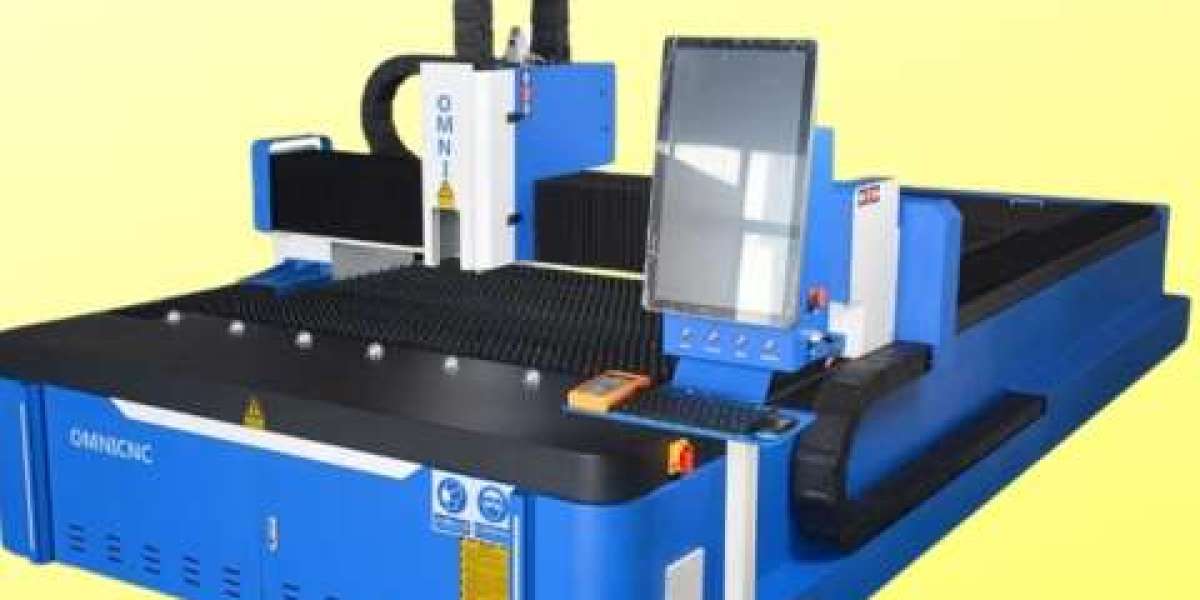

The fiber laser cutting machine operates by directing a high-intensity laser beam through optical fiber cables to melt, burn, or vaporize material along a defined path. The laser source is generated through diodes and then transmitted via a fiber optic cable, maintaining beam quality over long distances. This setup allows consistent power delivery with minimal energy loss.
Unlike traditional CO₂ systems, the fiber laser machine delivers a shorter wavelength beam, typically around 1.06 micrometers. This makes it highly effective for cutting reflective materials like stainless steel, aluminum, brass, and copper. The precision of the beam ensures that even intricate designs are executed with exceptional accuracy, reducing the need for post-processing.
The fiber laser system’s cutting process is guided by CNC (Computer Numerical Control) technology, which allows operators to program exact cutting paths. This digital precision minimizes human error and ensures uniform results, even during mass production.
Applications Across Multiple Industries
The fiber laser cutting machine plays a crucial role across a wide range of industries. In the automotive sector, it is used to cut complex components like body panels, engine parts, and brackets with extreme accuracy. Its precision ensures the seamless fitting of each part, contributing to vehicle safety and durability.
In aerospace, manufacturers rely on fiber laser systems to work with lightweight yet tough materials such as titanium and aluminum alloys. The ability to make clean, burr-free cuts ensures that parts meet the tight tolerances required for flight safety and fuel efficiency.
The construction industry benefits from laser cutting for structural frameworks, decorative panels, and customized fittings. The technology allows architects and engineers to bring innovative designs to life without compromising on material integrity.
Even in consumer electronics, fiber laser cutters are used to fabricate small components and detailed casings. The consistency of the process ensures smooth edges and precision fitting, which are vital for device functionality.
Operational Efficiency and Performance
The fiber laser cutting machine stands out for its operational consistency. Once calibrated, it can run for long hours with minimal interruptions. Its non-contact cutting method eliminates the risk of tool wear or material deformation. The machine’s design enables energy-efficient performance, converting most of the input power into a laser beam rather than heat loss.
The beam’s high power density allows rapid cutting of thick materials, while adjustable parameters like speed, focus, and gas pressure make it suitable for thin sheets as well. This flexibility allows manufacturers to handle varied projects without frequently changing equipment.
In modern workshops, automation plays a key role, and fiber laser systems integrate easily with automated loading and unloading systems. This minimizes manual handling and maximizes output. Operators can manage multiple machines simultaneously through centralized control systems, improving productivity without increasing labor costs.
Maintenance and Durability
A fiber laser cutting machine is built for long-term industrial use. Unlike older cutting technologies that rely on consumables like lenses or mirrors, the fiber system uses solid-state components that require minimal upkeep. The sealed optical path protects the laser from contamination, ensuring steady performance over years of operation.
Routine maintenance mainly involves cleaning the nozzles, checking gas flow, and calibrating optics. Modern machines are equipped with sensors that monitor temperature, alignment, and beam stability, allowing preventive maintenance before any issue escalates. This proactive approach extends the lifespan of both the laser source and the entire system.
Additionally, software upgrades and modular components enable manufacturers to keep their machines updated without complete replacements. This makes the fiber laser cutting machine a future-ready investment for industries looking to maintain competitiveness.
Energy and Environmental Efficiency
The focus on sustainability in manufacturing has made energy efficiency a critical factor. The fiber laser cutting machine consumes significantly less energy compared to older laser or mechanical cutting systems. Its direct diode pumping technology minimizes electrical loss, resulting in lower operational costs.
The cutting process generates minimal waste because the precision of the beam reduces excess material removal. Moreover, it requires no chemical solvents or consumables, which contributes to a cleaner and safer working environment. As global industries adopt eco-friendly manufacturing policies, fiber laser technology aligns perfectly with those goals.
Integration with Smart Manufacturing
Modern production environments increasingly rely on smart technology and data integration. The fiber laser cutting machine fits seamlessly into Industry 4.0 frameworks, supporting connectivity and automation. Through IoT (Internet of Things) integration, operators can track machine performance, monitor energy use, and predict maintenance needs in real time.
This digital connectivity ensures that production lines operate with optimal efficiency. Data collected from sensors can be analyzed to improve workflow, reduce idle time, and enhance quality control. Such integration empowers manufacturers to meet the demands of precision manufacturing while maintaining high operational standards.
Operator Safety and Control
Safety in industrial environments is a top priority. The fiber laser cutting machine includes multiple protective features such as enclosed cutting chambers, laser shielding, and automatic shutdown mechanisms. The machine’s design ensures that operators are not exposed to harmful radiation or debris.
Advanced control panels allow precise adjustment of cutting parameters, ensuring that even complex materials can be handled safely. Touchscreen interfaces and real-time monitoring give operators full control over the cutting process, reducing the risk of human error.
By maintaining strict safety protocols, manufacturers can ensure consistent production while protecting their workforce.
Economic Impact and Productivity
Investing in a fiber laser cutting machine delivers measurable returns over time. Its cutting speed and precision translate into reduced production time and minimal material waste. This enhances overall cost efficiency, especially in industries where deadlines and accuracy are critical.
The automation and reduced need for consumables lower operational expenses. Manufacturers can meet larger orders with faster turnaround times, improving their competitiveness in both local and international markets. The scalability of fiber laser systems allows small workshops and large factories alike to benefit from the same level of performance and precision.
Future Outlook of Fiber Laser Technology
The evolution of fiber laser cutting machines continues to shape the manufacturing landscape. As laser power sources become more compact and efficient, cutting capabilities are expanding to handle even thicker and more diverse materials. Research in beam control and adaptive optics is leading to smarter, self-correcting cutting systems that can adjust parameters in real time.
Emerging trends like hybrid laser systems and multi-axis cutting are opening new possibilities in design and production. Manufacturers can expect greater flexibility, faster speeds, and more consistent results as the technology advances.
Fiber laser cutting is no longer limited to large-scale industries; small and medium-sized enterprises are adopting it for customized production runs and prototyping. This democratization of high-precision manufacturing signals a shift toward a future where laser cutting becomes the standard rather than an innovation.
Final Thoughts
The fiber laser cutting machine represents the intersection of precision engineering and industrial progress. Its unmatched cutting quality, energy efficiency, and compatibility with digital manufacturing make it a foundation of modern production systems. From intricate designs to mass fabrication, it offers manufacturers the reliability and flexibility needed to stay ahead in a competitive market.
As industries continue to evolve, adopting technologies that combine accuracy, speed, and sustainability will be essential. The fiber laser cutting system not only meets these requirements but continues to push the boundaries of what is possible in manufacturing.